


Emergency Roof Repair: Fixing a Leaking Roof Quickly

A leaking roof can cause serious damage if not addressed promptly. Water seeping through your roof can ruin ceilings, walls, and even the structure of your property. When you spot a leak, acting fast is essential. I’ve learned that quick, effective action can save you time, money, and stress. In this post, I’ll guide you through the steps to fix a leaking roof quickly and efficiently, helping you protect your home or commercial property in North London.
Recognising the Need for Emergency Roof Repair
When water starts dripping inside your property, it’s a clear sign that your roof needs immediate attention. Emergency roof repair is not just about stopping the leak temporarily; it’s about preventing further damage until a permanent fix can be made. Here are some common signs that you need to act fast:
Water stains on ceilings or walls
Dripping water during or after rain
Damp or mouldy smells in the attic or upper rooms
Missing or damaged shingles or tiles
Sagging roof sections
Ignoring these signs can lead to costly repairs down the line. The key is to inspect your roof as soon as you notice any of these symptoms. If you’re unsure, a quick check from a safe vantage point or a professional inspection can confirm the problem.

How to Perform Emergency Roof Repair Yourself
If you can safely access your roof, there are some quick fixes you can do yourself to stop the leak temporarily. These emergency repairs will help reduce water entry until a professional can carry out a full repair. Here’s what I recommend:
Locate the Leak
Start by identifying the exact spot where water is entering. Look for damaged or missing shingles, cracked flashing, or holes in the roof surface.
Clear Debris
Remove leaves, branches, or dirt that might be blocking water flow. This can sometimes reduce leaks caused by water pooling.
Apply Roofing Tape or Sealant
Use roofing tape or a waterproof sealant to cover small cracks or holes. These products are easy to apply and provide a quick barrier against water.
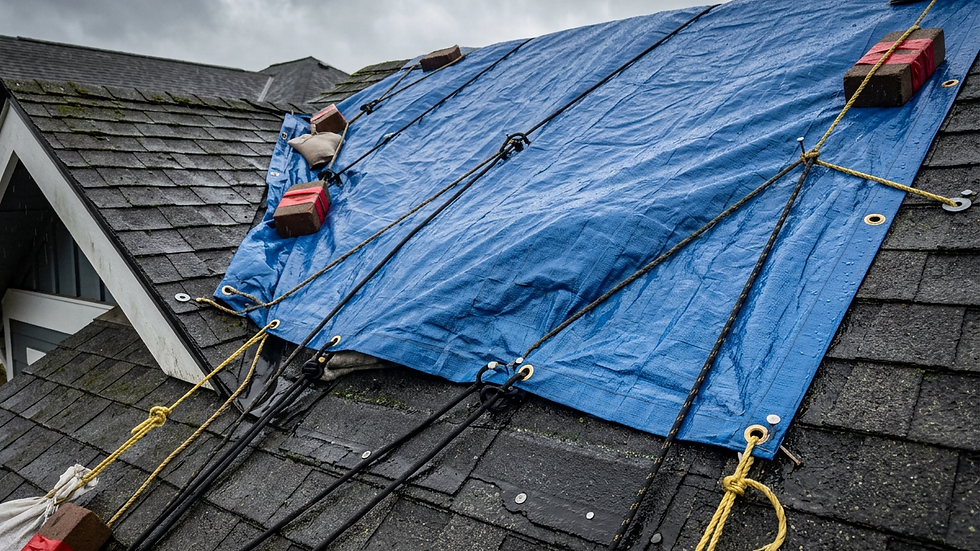
Use a Tarp for Larger Damage
If the damage is extensive, cover the affected area with a heavy-duty tarp. Secure it tightly with nails or weights to prevent it from blowing away.
Check Gutters and Downspouts
Ensure gutters are clear so water can drain properly. Blocked gutters can cause water to back up and leak into your roof.
Remember, these are temporary solutions. They help you manage the situation until you can arrange for a professional leaking roof repair service.
What is the Best Way to Fix a Leaking Roof?
The best way to fix a leaking roof depends on the cause and extent of the damage. Here are some common methods used by roofing professionals:
Replacing Damaged Shingles or Tiles
If the leak is due to broken or missing shingles, replacing them is the most effective solution. This restores the roof’s protective layer and prevents further water entry.
Repairing or Replacing Flashing
Flashing is the metal strip around chimneys, vents, and joints. Damaged flashing often causes leaks. Repairing or replacing it seals these vulnerable points.
Sealing Roof Penetrations
Roof penetrations like vents and skylights can develop leaks. Applying high-quality sealant around these areas can stop water ingress.
Fixing Roof Valleys
Roof valleys are where two roof slopes meet. They are prone to leaks if not properly maintained. Repairing or installing new valley flashing can solve this issue.
Full Roof Replacement
In cases of severe damage or an old roof, a full replacement might be necessary. This is a bigger investment but ensures long-term protection.
Professional roofers will assess your roof and recommend the best course of action. They have the tools and expertise to do the job safely and effectively.
Preventing Future Leaks with Regular Maintenance
Once your roof is repaired, the next step is to prevent future leaks. Regular maintenance is key to keeping your roof in good condition. Here are some tips I follow:
Schedule Annual Inspections
Have a professional inspect your roof at least once a year, especially after harsh weather.
Keep Gutters Clean
Clear gutters and downspouts regularly to avoid water backup.
Trim Overhanging Branches
Branches can damage shingles and drop debris on your roof.
Check Attic Ventilation
Proper ventilation prevents moisture buildup that can damage roofing materials.
Address Minor Issues Quickly
Fix small cracks, loose shingles, or damaged flashing as soon as you notice them.
By staying proactive, you can extend the life of your roof and avoid emergency repairs.
When to Call a Professional for Roof Repairs
While some emergency fixes can be done yourself, many roof repairs require professional skills. Here’s when you should call in the experts:
If the leak is large or hard to locate
If the roof is steep or difficult to access safely
If you notice structural damage or sagging
If temporary fixes don’t stop the leak
For comprehensive inspections and long-term solutions
Professional roofers have the experience, safety equipment, and materials to handle all types of roof repairs. They can also provide warranties and advice on maintaining your roof.
Taking quick action with emergency roof repair and following up with professional help ensures your property stays dry and secure.
Fixing a leaking roof quickly is crucial to protecting your property from water damage. By recognising the signs early, performing temporary repairs, and knowing when to call a professional, you can manage any roofing emergency effectively. Regular maintenance will keep your roof strong and leak-free for years to come. If you need expert help, don’t hesitate to reach out for reliable, high-quality roofing services in North London.


Comments